Introduction
Gallstones are a common but often silent problem. Many people do not know they have them until they feel sudden upper abdominal pain. In this blog, we will explain the symptoms of gallstones, causes of gallstones, and treatment for gallstones. You will also learn how doctors diagnose this condition and what you can do to prevent it. If you live in a city with access to healthcare, you can find gallstones treatment in your area. Understanding this condition can help you take better care of your health.
What Are Gallstones?
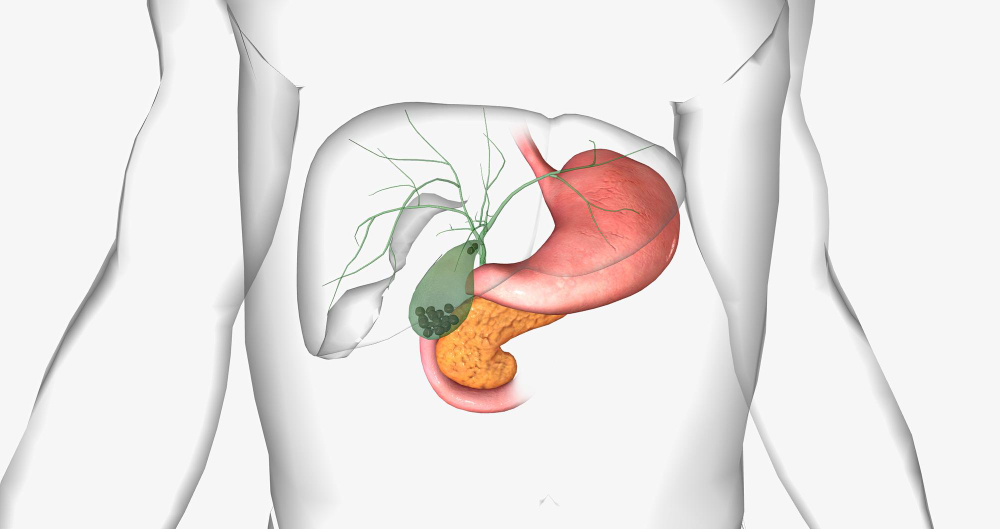
Gallstones are small, hard pieces that form in the gallbladder. The gallbladder is a small organ under your liver. It stores bile, which helps digest fat. Sometimes, substances in bile, like cholesterol or bilirubin, stick together and form stones. These stones can be as small as a grain of sand or as large as a golf ball. Most people do not notice them. However, if a stone blocks a bile duct, it can cause pain and other problems.
Common Symptoms of Gallstones
Many people with gallstones have no symptoms. But when symptoms appear, they can be sudden and severe. For example, you may feel pain in the upper right side of your abdomen. This pain can last from a few minutes to several hours. Other symptoms may include:
If you notice these symptoms of gallstones, you should seek medical help. Early treatment can prevent serious problems.
Causes and Risk Factors
Gallstones form when the balance of substances in bile changes. Several factors can increase your risk. For instance, women are more likely to get gallstones than men. Age also plays a role. People over 40 have a higher risk. Other risk factors include:
According to the CDC, about 10% to 15% of adults in the United States have gallstones. However, not everyone will have symptoms or need treatment (CDC).
How Gallstones Are Diagnosed
Doctors use several tests to find gallstones. First, they may ask about your symptoms and health history. Next, they may order an ultrasound. This test uses sound waves to create pictures of your gallbladder. Sometimes, doctors use other scans, such as CT or MRI. Blood tests can also help check for infection or other problems. If you need gallstones treatment in your city, your doctor will guide you through these steps.
Treatment Options for Gallstones
Treatment for gallstones depends on your symptoms. If you have no symptoms, you may not need treatment. However, if you have pain or other problems, your doctor may suggest:
Surgery is the most common treatment. Most people recover quickly and live normal lives without a gallbladder. According to the National Institutes of Health, laparoscopic surgery is safe and effective for most patients (NIH).
Prevention and Lifestyle Tips
While you cannot prevent all gallstones, you can lower your risk. For example, you can:
These simple steps can help keep your gallbladder healthy. If you need more advice, ask your doctor about ways to prevent gallstones.
When to See a Doctor
Sometimes, gallstones cause sudden and severe pain. If you have pain that does not go away, fever, or yellowing of your skin or eyes, seek medical help right away. These signs may mean you have a serious problem, such as an infection or blocked bile duct. Early treatment can prevent complications. If you are looking for gallstones treatment in your area, contact a healthcare provider as soon as possible.
Conclusion
Gallstones are a silent problem for many people. However, they can cause sudden upper abdominal pain and other symptoms. Knowing the symptoms of gallstones, causes of gallstones, and treatment for gallstones can help you stay healthy. If you have sudden upper abdominal pain, consult a gastroenterologist Dr. Jagadeesh for personalized advice.